
How to Grow Spices & Medicinal Plants at Home in India
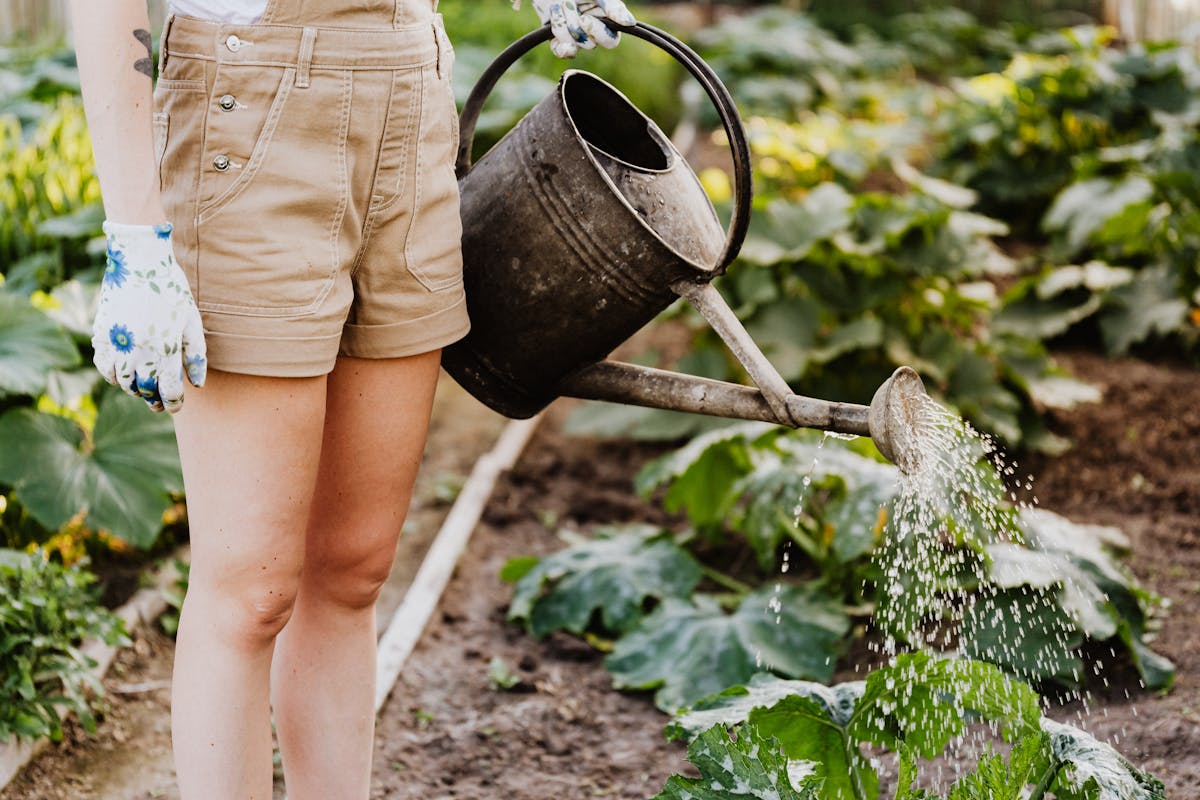
Nothing beats plucking fresh curry leaves, black pepper or a handful of amla straight from your own plant. Spice and medicinal plants are among the most rewarding to grow in India — they suit our warm climate, do well in pots, and give you chemical-free flavour and wellness at home. Here is exactly how to get started.
Why grow your own spices and medicinal plants
Home-grown spices are fresher, more aromatic and free of the pesticides often found in market produce. Medicinal plants like moringa (drumstick), amla and tulsi put everyday Ayurvedic goodness within arm's reach. Most of these plants are hardy, long-lived and happy in containers — perfect for Indian balconies, terraces and kitchen gardens.
Best spice plants for Indian homes
- Curry leaf (kadi patta): A must-have kitchen plant. Loves full sun, grows fast, and re-sprouts generously after each harvest.
- Black pepper (kali mirch): A climbing vine that enjoys warm, humid, semi-shaded spots — train it on a moss pole or trellis.
- Cardamom (elaichi): Prefers filtered light and moist, rich soil — ideal for a bright, sheltered balcony corner.
- Cinnamon, clove & nutmeg: Slow but long-lived aromatic trees that stay manageable in large pots for years.
- Tejpatta (bay leaf) & all-spice: Easy, low-maintenance aromatic plants that reward you with fragrant leaves.
Best medicinal plants to grow
- Moringa (sojne / drumstick): Extremely fast-growing, drought-tolerant and packed with nutrition — one of the easiest medicinal trees for India.
- Amla (Indian gooseberry): A hardy, vitamin-C-rich plant that fruits well in most Indian climates.
- Noni & morinda: Tropical health plants that thrive in warm regions with regular watering.
Step 1: Pick the right spot and pot
Most spice and medicinal plants want 4-6 hours of sunlight, though shade-lovers like cardamom prefer filtered light. Use a pot at least 12-16 inches wide with drainage holes. Bigger, slower plants like cinnamon and clove appreciate a large 18-24 inch container.
Step 2: Get the soil mix right
Use a well-draining mix: roughly 50% garden soil, 30% compost or vermicompost, and 20% cocopeat or sand. Good drainage prevents root rot, which is the most common killer of potted plants.
Step 3: Water and feed correctly
Water when the top inch of soil feels dry — most of these plants dislike soggy roots. Feed once a month with compost or an organic fertiliser during the growing season (spring to monsoon) for lush growth and better yields.
Step 4: Sun, humidity and placement
Keep sun-lovers like curry leaf, moringa and amla on the brightest balcony or terrace. Give humidity-lovers like pepper, cardamom and clove a warmer, sheltered spot and mist them in dry weather. Rotate pots occasionally for even growth.
Step 5: Harvest little and often
Pick leaves and spices regularly but lightly — frequent light harvesting encourages bushier growth. For woody spices like pepper and cinnamon, patience pays off; once established they produce for years.
Care at a glance
- Sunlight: 4-6 hours (filtered light for cardamom)
- Soil: rich, well-draining potting mix
- Water: when the top inch dries out
- Feed: monthly with compost or organic fertiliser in the growing season
- Pots: 12-24 inches with drainage holes
Start with two or three easy picks like curry leaf, moringa and amla, get comfortable with the routine, then add the aromatic spices. Within a few months you'll have a fragrant, useful mini-garden — and a steady supply of fresh flavour and wellness at home.
Shop plants from this guide
Frequently asked questions
Which spice plants are easiest to grow at home in India?
Curry leaf, tejpatta (bay leaf), all-spice and moringa are the easiest — they are hardy, love Indian sun and re-grow quickly after harvest, making them ideal for beginners.
Can I grow black pepper and cardamom in pots?
Yes. Black pepper is a climbing vine that does well on a moss pole in a warm, semi-shaded spot, and cardamom thrives in a large pot with filtered light and moist, rich soil.
How much sunlight do medicinal plants like moringa and amla need?
Moringa and amla are sun-loving and hardy — give them 5-6 hours of direct sunlight, well-draining soil and occasional feeding for strong growth and good yields.
Do these plants arrive healthy across India?
Yes — every Plantora plant is dispatched well-rooted and packed in shockproof PVC-pipe packaging for safe transit nationwide, backed by our live-arrival guarantee.