
How to Grow Fruit Plants at Home in India: A Complete Beginner's Guide
Everything you need to start a home orchard — choosing grafted plants, pots, soil, watering, feeding and getting your first harvest of mango, guava, lemon and exotic fruit.
10 min read

You can grow fruit at home — even on a balcony
You don't need an acre of land to grow your own fruit. With the right grafted plant, a good-sized pot and a few hours of daily sun, you can harvest home-grown mangoes, guavas, lemons, dragon fruit and more right from your balcony, terrace or small garden. Across India — from a Kolkata rooftop to a Bengaluru balcony — container fruit gardening is booming, and grafted plants make it genuinely achievable for beginners.
Always start with grafted plants
This is the single most important decision. A grafted fruit plant is a proven fruiting variety joined onto a strong rootstock. It fruits in 1-3 years instead of the 6-10 years a seed-grown tree takes, and it fruits true to the parent — so a grafted Alphonso mango actually gives you Alphonso mangoes. Grafted plants also stay more compact, which is exactly what you want in a pot. Every fruit plant at Plantora is grafted for this reason.
Choosing the right fruit for your space
Match the plant to your sunlight and space. For full-sun terraces: mango, guava, pomegranate, citrus (lemon, orange, mosambi) and jamun all thrive. For smaller balconies and beginners: strawberry, chiku, barbados cherry, dragon fruit and litchi stay compact and forgiving. Want something unusual? Try grafted avocado, rambutan, longan or starfruit. If you're unsure, our Home Orchard Trio bundle pairs a mango, guava and lemon — a complete starter orchard in three pots.
Pot, soil and drainage
Use a pot at least 15-18 inches wide with several drainage holes — fruit plants hate soggy roots. Fill with a loamy, free-draining mix: roughly 50% garden soil, 30% well-rotted farmyard manure or compost, and 20% cocopeat plus a handful of sand. Add a spoon of bone meal for strong root and fruit development. Raise the pot on bricks or a stand so excess water drains freely.
Sunlight and placement
Fruit needs energy, and that comes from sun. Give your plants a minimum of 6 hours of direct sunlight daily — 8 is better for mango, guava and citrus. Place pots where they get unobstructed morning-to-midday sun. If your balcony is shaded, choose the more tolerant options like chiku, barbados cherry or dragon fruit and expect a lighter harvest.
Watering the right way
Deep, less-frequent watering beats a daily splash. Water thoroughly until it runs out the drainage holes, then let the top 1-2 inches of soil dry before watering again — usually 2-3 times a week, daily only in peak summer. Increase watering during flowering and fruit-set, and ease off in monsoon to avoid root rot. Consistency is key: erratic watering causes flower and fruit drop.
Feeding for flowers and fruit
Feed a balanced NPK fertiliser once a month during the growing season, along with micronutrients. When the plant starts flowering, switch to a high-potassium feed — potassium drives sweeter, larger, better-coloured fruit. Top-dress with compost or vermicompost every couple of months to keep the soil alive. Avoid over-feeding nitrogen, which gives you lush leaves but few fruits.
Pruning and training
Light pruning after each fruiting cycle keeps container plants compact and encourages fresh fruiting wood. Remove dead, crossing or weak branches, and pinch growing tips to build a bushier, more productive plant. For climbers like dragon fruit, provide a sturdy pole or trellis for support.
Pests and common problems
Watch for fruit flies, mealybugs, aphids and stem borers. A weekly neem-oil spray is your best organic defence, and pheromone traps help with fruit flies. Yellowing leaves usually mean overwatering or a nutrient gap; sudden fruit drop points to irregular watering or heat stress. Catch issues early and most are easily fixed.
Patience pays off
Grafted plants shorten the wait dramatically, but fruiting still follows the seasons. Give your plant a settling-in period, keep the care consistent, and you'll typically see flowering within the first year or two and your first proper harvest soon after. There's nothing quite like eating a fruit you grew yourself — start with one or two plants, get confident, and grow your home orchard from there.
Have a plant question?
Our horticulturists are on WhatsApp to help you succeed.
Plants from this guide
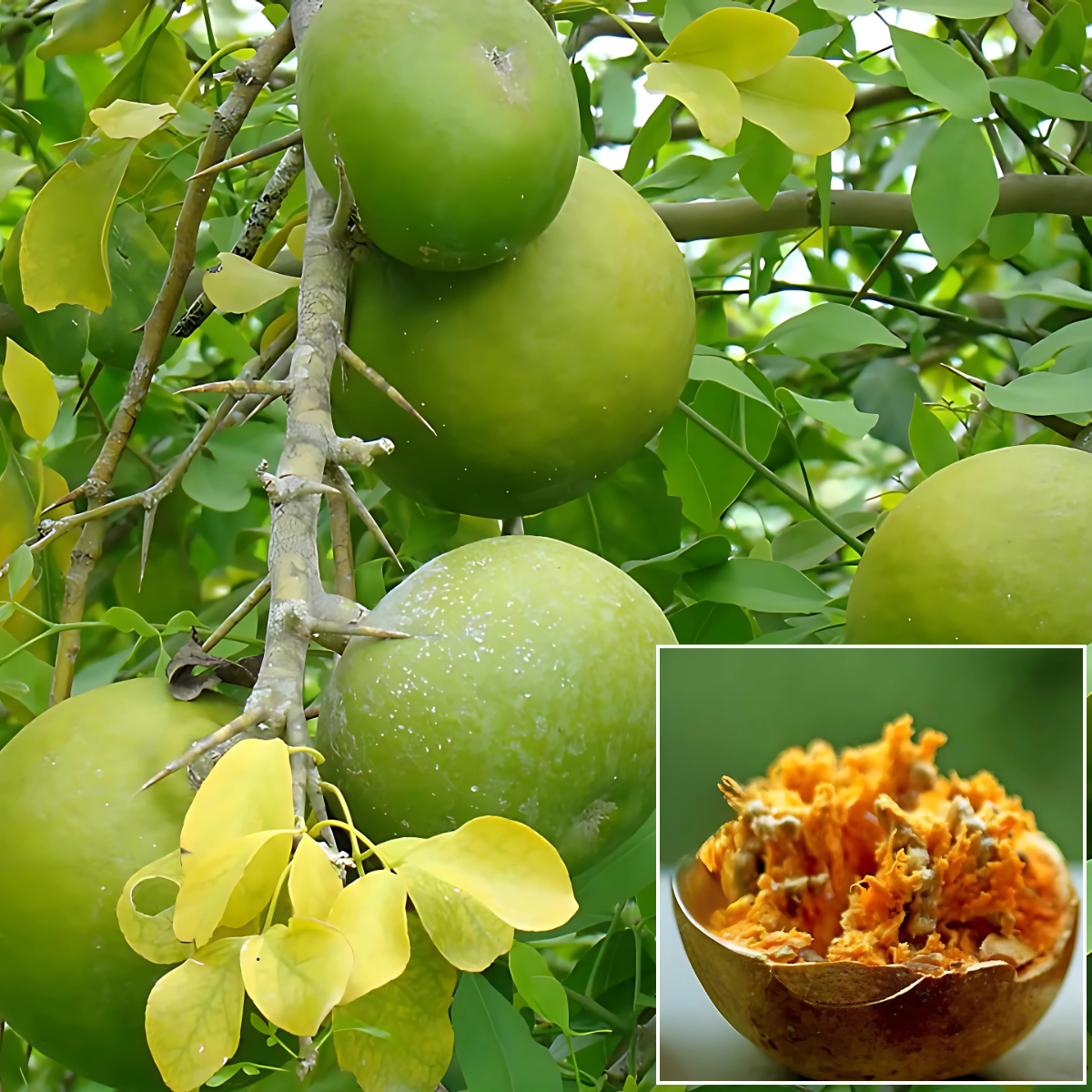
Bael Plant (Grafted)
Dispatches in 24-48 hrs
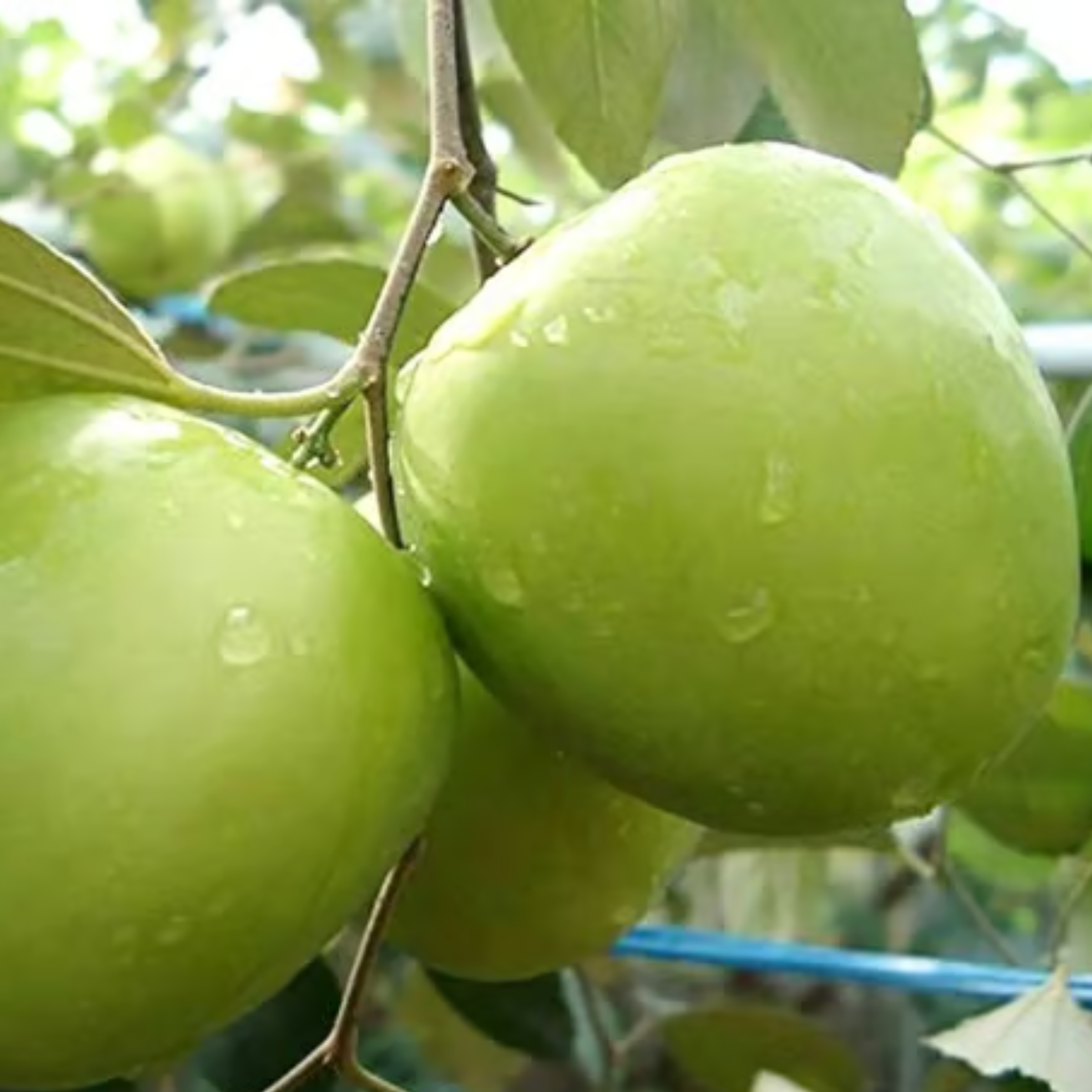
Kashmiri Green Apple Ber Plant (Grafted)
Dispatches in 24-48 hrs
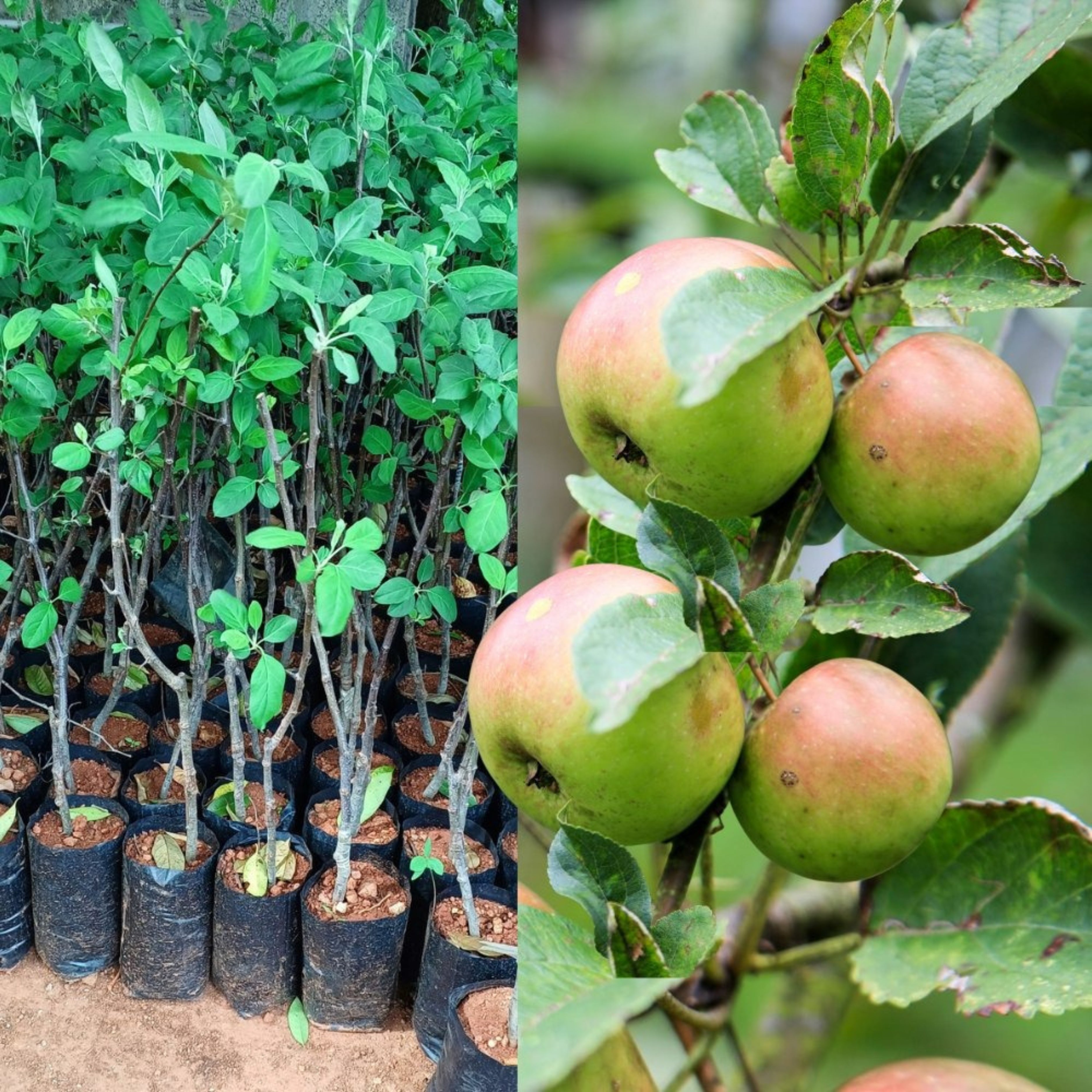
Anna Apple Plant (Grafted)
Dispatches in 24-48 hrs
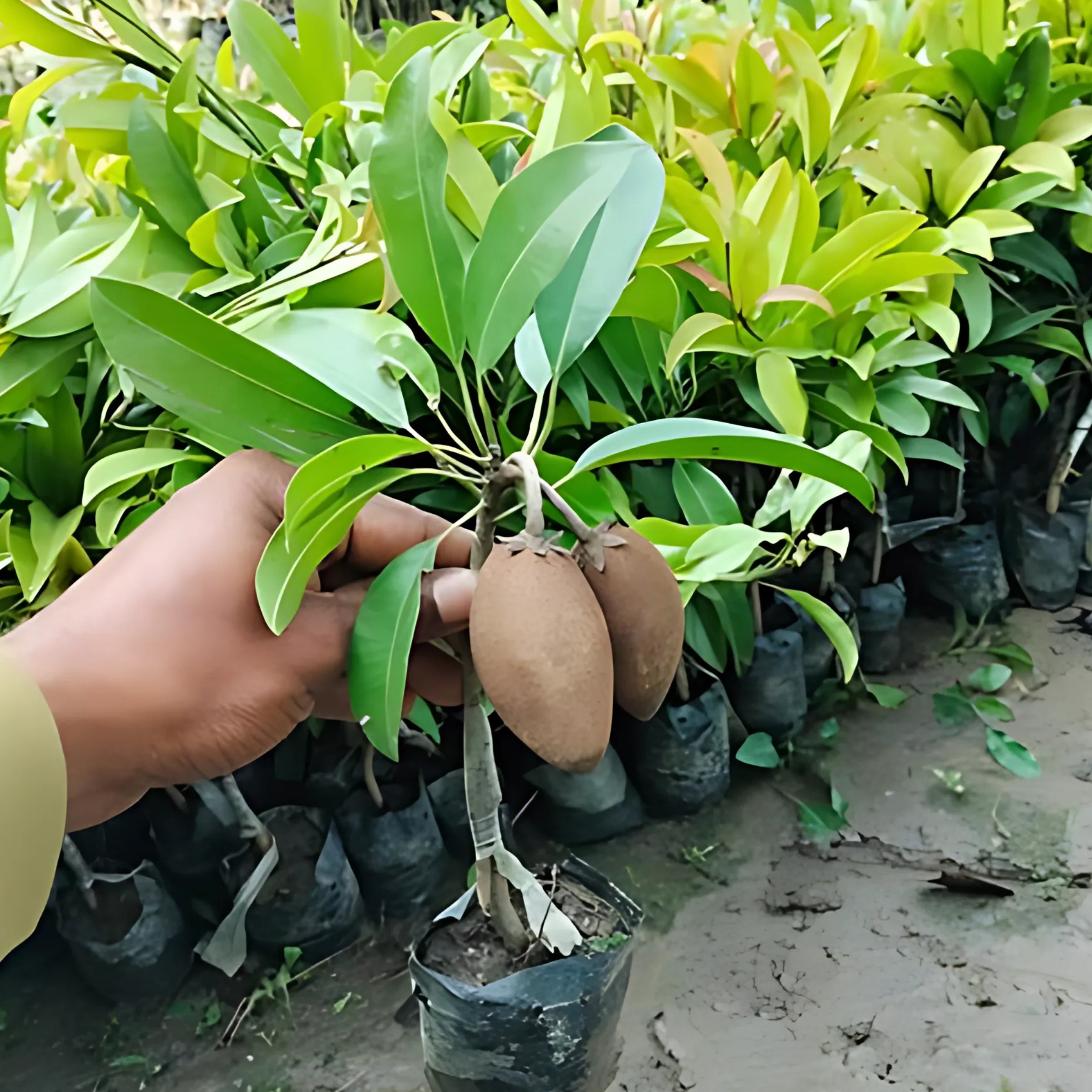
Thai Chiku Plant (Grafted)
Dispatches in 24-48 hrs