
Seedless vs Kagzi Lemon: Which Should You Grow?
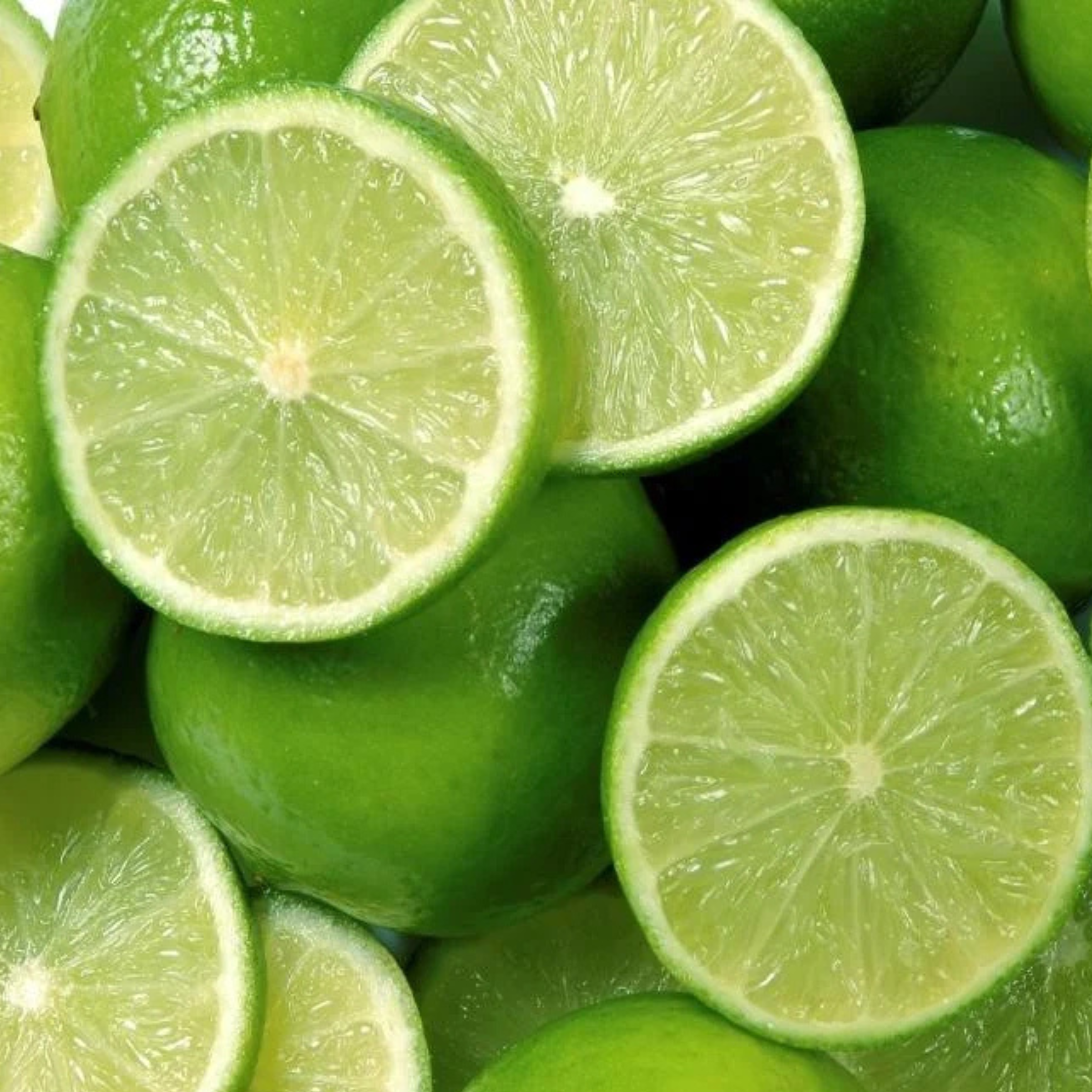
Quick answer: Grow a seedless lemon if you want juicy, pip-free lemons that are easy to use in the kitchen; grow Kagzi nimboo if you want the classic thin-skinned, intensely sour, high-juice Indian lemon. Both are grafted, fruit through much of the year, and do well in pots.
Seedless lemon and Kagzi nimboo are the two lemons most Indian gardeners choose. Here's how to decide.
Seedless lemon: convenient and juicy
The seedless lemon gives juicy, pip-free fruit that's easy to squeeze and use — a favourite for kitchens and drinks, with heavy, repeat fruiting.
Kagzi nimboo: the classic Indian lemon
Kagzi is the traditional thin-skinned Indian lemon (nimboo), famous for its strong sourness and high juice content — the go-to for nimbu paani and cooking.
| Factor | Seedless lemon | Kagzi nimboo |
|---|---|---|
| Seeds | None | Few |
| Skin | Medium | Thin |
| Use | Kitchen, drinks | Nimbu paani, cooking |
| Fruiting | Most of the year | Most of the year |
Comparison
Here's the quick verdict:
Frequently asked questions
Which lemon is more sour?
Kagzi nimboo is the classic, intensely sour Indian lemon; seedless lemons are juicy and tangy but milder.
Do lemon plants fruit all year?
Both varieties fruit in flushes through much of the year in warm Indian climates with full sun.
Are they good for pots?
Yes — both are grafted and fruit well in large pots on a sunny balcony or terrace.
Shop plants from this guide
Frequently asked questions
Which lemon is more sour?
Kagzi nimboo is the classic, intensely sour Indian lemon; seedless lemons are juicy and tangy but milder.
Do lemon plants fruit all year?
Both varieties fruit in flushes through much of the year in warm Indian climates with full sun.
Are they good for pots?
Yes — both are grafted and fruit well in large pots on a sunny balcony or terrace.